Eco-Friendly Sandblasting Techniques and Benefits
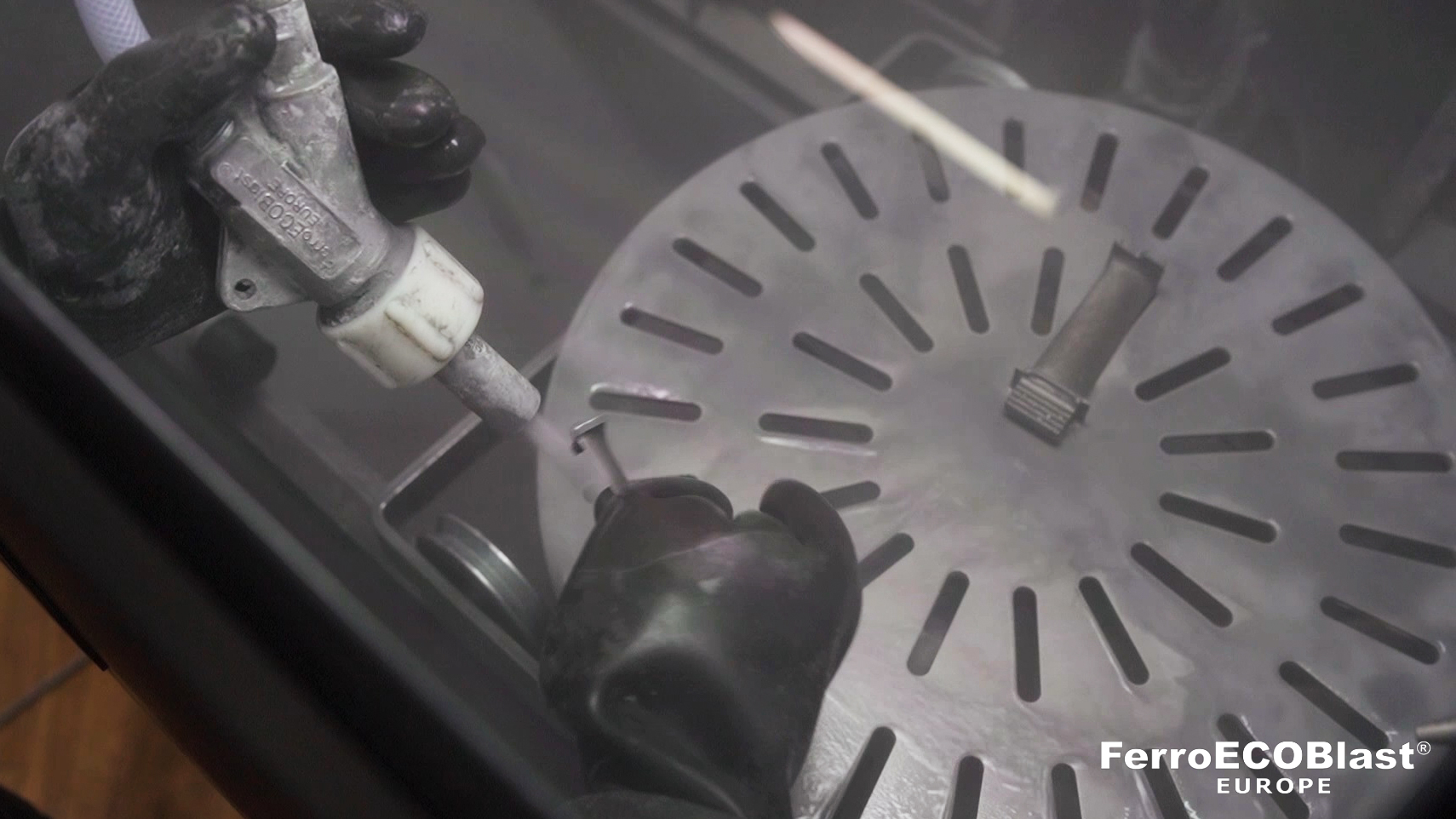
In the era of sustainable manufacturing, even traditional industrial processes like sandblasting are evolving to reduce their environmental impact. Sandblasting (also known as abrasive blasting) is widely used to clean or prepare surfaces by propelling abrasive material at high speed through a nozzle. While effective, conventional sandblasting can produce dust, waste, and health hazards (notably from silica dust), raising concerns for sustainability officers and regulators. Today, sustainable sandblasting has become a priority. As one industry expert notes, “Sustainability is no longer an option”. This means companies must adopt cleaner, eco-friendly blasting methods to meet environmental standards and corporate sustainability goals.
This blog explores modern eco-friendly sandblasting techniques, their environmental advantages, and how they help with regulatory compliance. By understanding these developments, organizations can improve surface treatment practices while protecting the environment and staying compliant with regulations.
Eco-Friendly Sandblasting Techniques
Today’s sandblasting technologies include several sustainable methods designed to minimize dust, waste, and pollution. Key eco-friendly sandblasting techniques include:
-
Vacuum Blasting (Dust-Free Systems): Another advanced technique is vacuum-assisted blasting, where the blasting nozzle is shrouded and connected to a powerful vacuum system. As abrasives strike the surface, the spent media and debris are immediately sucked back into a containment unit. This closed-loop blasting approach captures airborne particulates and contaminants, preventing them from escaping into the surrounding air. For example, the Tornado ACS system uses dry vacuum blasting to remove coatings while collecting all residue in a filtered chamber, protecting both the surface and the environment. Vacuum blasting often requires only a power supply and the abrasive media; no water or chemicals are needed, and all removed material is filtered and stored for safe disposal or recycling. This makes it a very clean, dust-free sandblasting option for indoor or urban jobs where conventional sandblasting dust “cannot be tolerated”.
-
Abrasive Media Recycling: A major stride in sustainable blasting is the reuse of abrasive media. Rather than using sand or slag once and discarding it, modern equipment can clean and recycle the blast media for multiple cycles. This drastically reduces the waste generated and cuts down on the need for new raw materials. “One of the biggest advancements in sustainable surface treatment is abrasive media recycling”, and companies like FerroECOBlast have been at the forefront of developing systems that allow abrasives to be cleaned and reused many times. For instance, durable media like steel shot or garnet can be recovered, sieved or cleaned, and then fed back into the blaster. According to industry sources, almost all steel shot can be recycled after blasting, making it a highly sustainable and cost-effective option. By investing in blast cabinets or rooms with recovery systems (including separators and dust collectors), companies can maintain a “closed-loop” blasting process where very little material is wasted.
-
Biodegradable and Alternative Blasting Media: Replacing traditional sand with eco-friendly abrasives is another key technique. Many sustainable blasting operations now use recycled or natural media – for example, crushed glass beads (often made from recycled glass) or mineral grits like garnet, which have lower toxicity and can be recycled multiple times. There are also biodegradable abrasives such as crushed walnut shells or corn cobs that effectively clean surfaces but break down naturally and pose minimal environmental harm. For delicate cleaning, soda blasting uses baking soda media, which is non-toxic and dissolves in water, leaving no lasting residue. These alternatives eliminate the silica dust hazard of sand and avoid introducing harmful heavy metals or chemicals. Using natural or soluble media, especially in combination with containment, means any spent abrasive is far less likely to pollute soil or water.
-
Efficient Nozzles and Equipment Design: Advancements in equipment also contribute to sustainability. Nozzle design plays a crucial role in sandblasting efficiency. Modern long-lasting nozzles (e.g. venturi designs) produce a more uniform blast pattern and maintain high abrasive velocity with less pressure drop. This means the same cleaning impact can be achieved with lower compressor power or less media, saving energy and resources. High-quality nozzles resist wear longer, which reduces frequent replacement (and the waste associated with spent nozzles). Additionally, blast cabinets and enclosures are now standard for containing dust and media. By blasting in a sealed environment with proper dust collection, facilities prevent any grit or pollutants from escaping, aligning the process with clean air standards. These equipment improvements ensure that abrasive blasting is as targeted and efficient as possible, minimizing unnecessary consumption of media or energy.
-
Wet Blasting (Dustless Blasting): This method mixes water into the abrasive stream to suppress dust at the source. By blasting with a water-abrasive slurry, dustless blasting generates far less airborne particulate than dry sandblasting. The water traps dust and contaminants, resulting in cleaner operations and easier cleanup. Wet blasting is “a more environmentally friendly and efficient method” than traditional dry blasting. It’s especially useful in sensitive or populated environments where controlling dust is critical. (In fact, specialized nozzle attachments are used to combine water and media at the nozzle, a nozzle blasting innovation that keeps dust down.) The reduced dust not only protects the environment but also improves worker safety by lowering silica exposure.
Each of these techniques can be used alone or in combination. For example, a blast room may use recyclable steel grit with a vacuum recovery floor and dust collector, or a mobile dustless blasting unit might combine water injection and an on-board recycle system. The common goal is a sustainable abrasive blasting process that delivers the needed surface preparation quality while drastically reducing dust, waste, and environmental risk.
Environmental Benefits
Adopting eco-friendly sandblasting methods yields significant environmental benefits, which is why sustainable blasting is gaining momentum in various industries. Key advantages include:
-
Reduced Air Pollution: One of the immediate benefits of wet and contained blasting is the sharp decrease in dust and particulate emissions. Traditional open-air sandblasting can release clouds of dust carrying fine silica, paint particles, and metal contaminants into the air. In contrast, dust-suppression techniques ensure far fewer particulates become airborne. This improves air quality at the worksite and in surrounding areas. Regulatory bodies like the U.S. EPA tightly control particulate matter from blasting operations, requiring dust to be contained. By using methods that naturally curb dust (water injection or vacuum capture), companies can prevent air pollution before it starts. This not only protects the environment but also reduces nuisance dust that can travel and settle on neighboring properties. In practical terms, a dustless blasting job will emit a tiny fraction of the particulate that a dry sandblasting job would, greatly limiting any environmental fallout. Less dust also means fewer pollutants inhaled by operators or the public, tying environmental benefit with human health benefits.
-
Waste Minimization and Recycling: Eco-friendly blasting greatly reduces solid waste compared to one-use sandblasting. When abrasives can be recycled many times, the volume of spent media requiring disposal drops dramatically For example, if steel grit or glass media is reused 5–10 times, a project generates only a fraction of the waste that would result from using sand once and discarding it. Many conventional blasting media (like coal slag or mineral sand) end up as hazardous waste, especially if they absorb toxic paint or rust residues. By minimizing the quantity of media used and opting for cleaner media, companies can avoid large streams of contaminated waste. Furthermore, using biodegradable or inert abrasives means that any media which cannot be recycled poses less harm. Walnut shells or corn cobs left over after blasting can biodegrade, and baking soda media can simply dissolve away with water. This is a stark contrast to spent sand or slag which might leach contaminants. Overall, sustainable blasting practices translate to less material sent to landfills and lower risk of soil and water contamination from disposal of used media. Reusable media also reduce the need for constant manufacturing of new abrasives, indirectly conserving the raw materials and energy that would go into producing and shipping those materials.
-
Energy Efficiency: Eco-friendly sandblasting can also lead to energy savings and lower carbon footprint. Efficient blast equipment – including optimized nozzles and well-calibrated pressure systems – can accomplish surface cleaning faster or with less power, meaning compressors and pumps consume less energy for the same job. In automated or robotic blasting setups, the process can be fine-tuned to avoid over-blasting and rework, which saves energy over time. Additionally, recycling abrasives is energy-efficient in itself: reconditioning media uses much less energy than manufacturing new abrasive material from scratch. According to industry trends, surface treatment technologies are evolving to minimize energy consumption along with waste and emissions. For instance, closed-loop blast rooms recirculate abrasive and air, reducing the need for constant ventilation of dusty air to the outside (which would require heating/filtration). While precise energy savings vary by system, it’s clear that a leaner blasting process uses fuel and electricity more sparingly. In sustainability terms, every bit of energy saved through efficient blasting equipment contributes to a smaller carbon footprint for the operation.
-
Lower Environmental Contamination: By containing dust and debris, eco-friendly blasting methods prevent contamination of the surrounding environment. In traditional blasting, particles of old paint (which may contain lead or other heavy metals) and rust can scatter onto soil or into waterways if not controlled. Wet blasting keeps these particles wetted down and easier to collect, and vacuum systems directly capture them at the source. This means less risk of toxic runoff or deposition outside the work area. Many eco-blasting setups also eliminate the need for harsh chemical paint strippers or rust removers, which avoids introducing chemical pollutants. Overall, the cleaner blasting process helps maintain cleaner job sites. Neighboring ecosystems are less likely to be impacted by blasting operations that employ enclosed, dust-free techniques. In essence, sustainable sandblasting confines the effect of blasting to the target surface only, with negligible spillover to air, land, or water beyond that.
By significantly cutting dust emissions, waste generation, and energy use, these eco-friendly practices turn sandblasting from a potentially polluting task into a much greener process. The environmental advantages are not just theoretical – they are being observed in projects that implement these techniques, resulting in compliance with environmental norms and a positive contribution to corporate sustainability metrics. Companies are finding that what’s good for the planet can also be good for business, as efficient blasting reduces material costs and often improves operational safety and cleanliness.
FerroECOBlast's Contribution to Sustainable Sandblasting
FerroECOBlast has been a key innovator in the field of eco-friendly sandblasting, with decades of experience in advancing cleaner blasting technology. With over 60 years of continuous innovation, FerroECOBlast is a recognized leader in high-performance sandblasting equipment and surface treatment solutions. In recent years, the company has focused on integrating sustainability into its blasting systems, effectively putting the “eco” in FerroECOBlast. Here are a few ways FerroECOBlast has contributed to sustainable sandblasting:
-
Abrasive Recycling Systems: FerroECOBlast has been at the forefront of developing abrasive media recycling technology for blast machines. According to their industry insights, “FerroECOBlast is at the forefront of developing systems that allow for the reuse of blasting materials”, greatly reducing waste and cutting down on raw material costs. Their custom blast cabinets and blast room solutions often include separation and recycling units that collect used media, clean it (by removing dust and broken particles), and return it to the hopper for reuse. This innovation means clients can blast with minimal waste generation, improving sustainability and saving money on media. By enabling multiple reuse cycles of abrasives, FerroECOBlast’s equipment embodies the principle of a circular economy in surface treatment.
-
Dust-Free Blasting and Containment: Another area of FerroECOBlast’s innovation is in dust suppression and collection. The company designs advanced dust collector systems and vacuum-assisted blasting setups that capture dust at the source. Industry articles highlight the development of “dust-free sandblasting and closed-loop surface treatment systems” that ensure a cleaner work environment and reduce emissions. FerroECOBlast’s blast machines often feature built-in dust collectors or attachments to existing ventilation, preventing particulate release. For example, their automated sandblasting cabinets for industrial use maintain negative pressure and high-efficiency filtration, so no dust escapes into the shop. By engineering equipment with containment in mind, FerroECOBlast helps users easily comply with environmental regulations and maintain cleaner facilities. One notable innovation is their wet blasting solutions that blend water with abrasive (paired with vacuum recovery). This dual approach holds down dust and simplifies cleanup. It’s an environmentally friendly alternative that FerroECOBlast has optimized for use in sensitive environments (such as historic restoration or indoor blasting) where dust control is paramount.
-
Eco-Friendly Abrasive Techniques: FerroECOBlast also promotes the use of eco-friendly abrasives and blasting techniques through its product line and R&D. They provide equipment capable of using a variety of media – from steel shot to glass beads to organic grit – allowing clients to choose sustainable abrasives suited to their task. In educational materials, FerroECOBlast emphasizes selecting the right abrasive and nozzle to maximize efficiency and minimize impact on both the workpiece and the environment. By supporting processes like soda blasting (with specialized equipment for gentle, non-toxic cleaning) and even emerging methods like dry-ice blasting, the company provides alternatives that reduce or eliminate secondary waste. Their commitment to innovation is evident in exploring high-tech solutions like laser cleaning and robotic blasting as well technologies that, while outside traditional sandblasting, contribute to the broader goal of sustainable surface treatment by reducing chemicals and waste. This breadth of solutions means FerroECOBlast can advise on the most environmentally appropriate method for a given application, not just default to standard sandblasting.
FerroECOBlast’s contributions underscore that sustainability and high performance can go hand in hand. By redesigning sandblasting equipment with environmental considerations from the start, they have created solutions that allow industries (aerospace, automotive, energy, etc.) to carry out critical surface preparation tasks with minimal ecological footprint. Sustainability officers and regulators often cite such innovations as examples of how industry can adapt and thrive under stricter environmental expectations. The ongoing innovations from FerroECOBlast and similar leaders are likely to further improve the eco-profile of abrasive blasting in the years to come, aligning the field of surface treatment with global sustainability objectives.
Conclusion
Sustainable sandblasting is no longer a niche concept – it’s fast becoming the standard for responsible industries. Through techniques like wet blasting, vacuum containment, media recycling, and the use of greener abrasives, companies can perform abrasive blasting in a way that significantly reduces dust, waste, and energy usage. The environmental benefits are clear: cleaner air, less material going to landfills, and lower risk of pollution. Equally important, these practices make it easier to comply with regulations, from OSHA’s worker safety rules to environmental emission standards, ensuring that blasting operations meet or exceed legal requirements. The innovations driving this eco-friendly shift owe much to forward-thinking manufacturers and solution providers. FerroECOBlast’s innovations in equipment design – from recyclable media systems to dust-free blasting cabinets – exemplify how the industry is adapting, providing tools that marry effectiveness with sustainability. Such advancements give businesses the confidence that adopting green practices won’t mean sacrificing quality or efficiency. On the contrary, many companies find that eco-friendly blasting methods can improve productivity and cost savings (through media reuse and faster cleanup) while enhancing their environmental performance.
In conclusion, the move toward eco-friendly sandblasting is a win-win for both industry and the environment. By embracing sustainable abrasive blasting solutions, organizations can achieve the surface preparation results they need without the heavy environmental cost traditionally associated with sandblasting. Sustainability officers can be assured that these techniques align with corporate green goals, and regulators can be satisfied that modern blasting projects are conducted with minimal environmental impact. As technology and best practices continue to evolve, we can expect even more efficient and cleaner blasting solutions on the horizon – further solidifying the role of sandblasting in a sustainable future for surface treatment. Adopting these practices today not only helps protect our environment but also prepares businesses to thrive under the increasing demand for environmentally conscious operations. It’s time to blast cleanly, responsibly, and sustainably.